Payday allowed
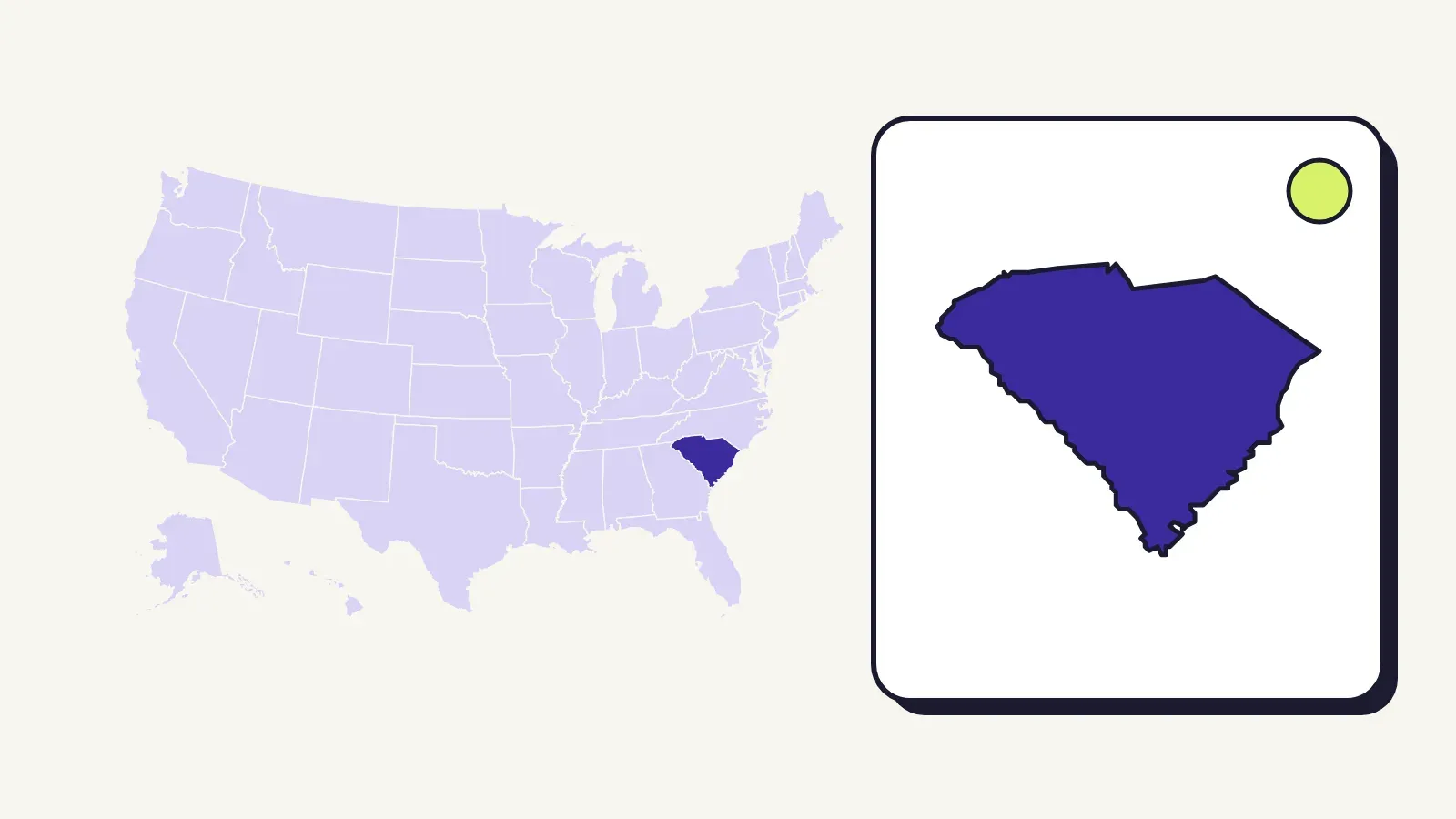
Borrowing in South Carolina: What State Law Allows
Payday loans here are small and tracked in a statewide database, but larger car title and installment loans can carry rates with no fixed ceiling. Here is where the limits are, and the strong protections you have once a debt goes bad.
By Lendmira Editorial Team Updated 7 min read
- Payday loan maximum
- $550
- Payday fee cap
- 15% of the advance
- Time limit to sue on debt
- 3 years
- Wage garnishment for card debt
- Not allowed
The short version
South Carolina lets licensed deferred presentment (payday) lenders advance up to $550 at a time for a fee of up to 15%, for no more than 31 days, with one loan at a time checked against a state database. Above $600, supervised lenders, including car title lenders, can charge any rate they file and post. Creditors have three years to sue, and wages can't be garnished for consumer credit debts.
South Carolina lending rules at a glance
How payday loans are limited
Payday lenders are licensed under the Deferred Presentment Services Act (Title 34, Chapter 39) by the Consumer Finance Division of the State Board of Financial Institutions. The main rules:
- Amount: no more than $550 outstanding to you at one time, not counting the fee.
- Fee: up to 15% of the principal, charged once per agreement.
- Term: up to 31 days.
- One at a time: no new loan while you have one outstanding with any lender, checked through the state's deferred presentment database.
- No rollovers: a lender can't renew or extend your loan, or pay it off with a new one.
- Waiting periods: no new loan on the same business day you repay; from your eighth loan in a calendar year, not on the next business day either.
A 15% fee looks modest until you annualize it. On a two-week loan it's an APR of about 391%; stretched to the full 31 days, about 177%. You can also cancel a loan at no cost by the close of the next business day.
Title loans and the $600 line
South Carolina's Consumer Protection Code treats $600 as a dividing line. On consumer loans with a cash advance of $600 or less, the charge can't exceed a statutory schedule. Above $600, a supervised lender may charge whatever rate it files with the Department of Consumer Affairs and posts at its offices. There is no fixed ceiling in the statute, so a loan just over $600 can cost far more than one just under it.
Short-term vehicle-secured loans, with an original term under 120 days, carry extra rules:
- The lender must believe in good faith that you can repay, based on your income and expenses.
- The loan can't exceed the car's fair market retail value.
- Up to six renewals, 240 days in all; after that, no more interest accrues and you can repay the principal in six monthly installments.
- If you default, the lender's only remedy is taking and selling the car. It can't sue you for a deficiency and must return any surplus.
Because so much depends on the filed rate, ask for the APR and the total of payments in writing, and run them through the loan payment calculator before you hand over a title.
Time limits and what creditors can't take
South Carolina's statute of limitations on contract claims is short: three years under section 15-3-530, for written and unwritten contracts alike, which covers credit card and loan debt. See how old debts and time limits work before you respond to a collector about an old account.
Section 37-5-104 bars a creditor from garnishing your unpaid earnings to collect a consumer loan, a consumer credit sale, a consumer lease or a rent-to-own agreement, wherever the debt was made. Child support and some government debts follow other rules. For what collectors may and may not do, read debt collectors and your rights.
Checking a lender and complaining
- Look up the license with the Consumer Finance Division's licensee search or on NMLS Consumer Access. Websites that make supervised loans need their own license.
- Compare cheaper options. A credit union loan or an installment plan with the creditor usually costs far less; see payday loan alternatives.
- File a complaint with the Consumer Finance Division if a lender rolls over a loan, ignores the payment plan or charges more than its posted rate.
Common questions
Are payday loans legal in South Carolina?
Yes. Licensed lenders can advance up to $550 for up to 31 days, with a fee of up to 15%. You can have only one loan at a time, and rollovers are banned.
Is there a cap on title loan rates in South Carolina?
Not a fixed one for loans above $600. Supervised lenders may charge the rate they file with the Department of Consumer Affairs and post.
What is the statute of limitations on debt in South Carolina?
Three years for contract claims, including credit card debt.
Can my wages be garnished in South Carolina for a consumer loan?
No. State law bars creditors from garnishing unpaid earnings to collect consumer loans, consumer credit sales and similar consumer debts.
Sources
- South Carolina Consumer Finance Division — Deferred presentment
- South Carolina Consumer Finance Division — Consumer lending (supervised lenders)
- S.C. Code Title 34, Chapter 39 — Deferred Presentment Services
- S.C. Code Title 37, Chapter 3 — Consumer loans, rate filing and short-term vehicle secured loans
- S.C. Code Title 37, Chapter 5 — Remedies, including the garnishment bar
- S.C. Code Title 15, Chapter 3 — Limitations of actions
Facts on this page were checked against these sources on October 13, 2026. Rates on loans above $600 depend on each lender's filed schedule, so the APR in your contract is the number that counts.
Keep reading
-
Loan type
Payday loan alternatives
Credit union PALs up to $2,000 at 28% APR or less, paycheck advances, payment plans and local help.
-
Debt help
Old debt and time limits
Most states give collectors 3–6 years to sue. What can restart the clock, and why it's not the 7-year credit rule.
-
State law
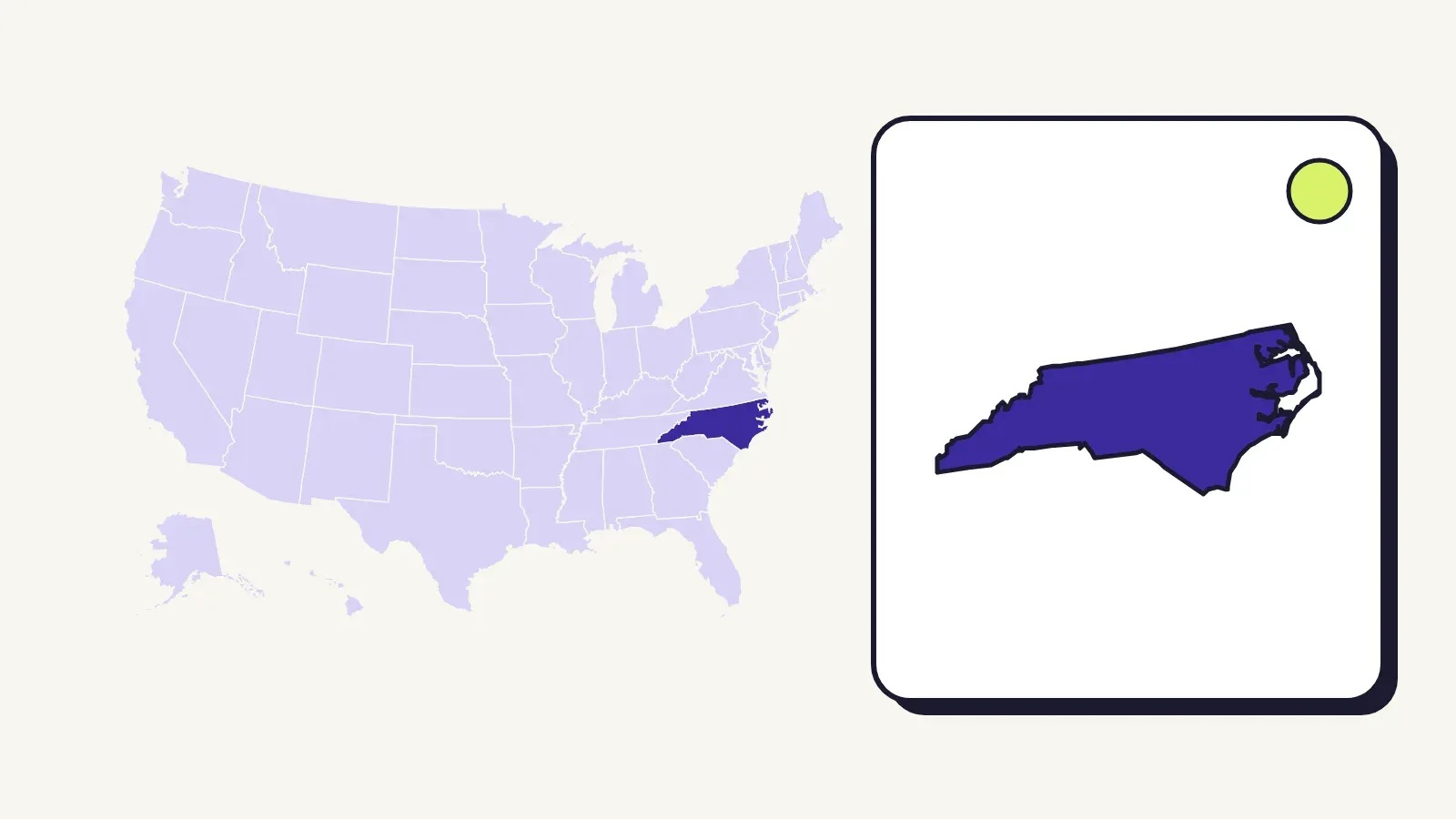
North Carolina
No payday or title loans; licensed lenders capped at 33%, 24% and 18% tiers; 3-year limit on debt suits.