Payday banned
Borrowing in New Mexico: What State Law Allows
New Mexico went from one of the most expensive small-loan markets in the country to a 36% cap. Here is what that cap covers, what lenders may still charge, and how the state protects your pay if you fall behind.
By Lendmira Editorial Team Updated 6 min read
- APR cap, loans to $10,000
- 36%, fees included
- Payday and title loans
- Not permitted
- Time limit, written contract
- 6 years
- Pay protected from garnishment
- At least 75%
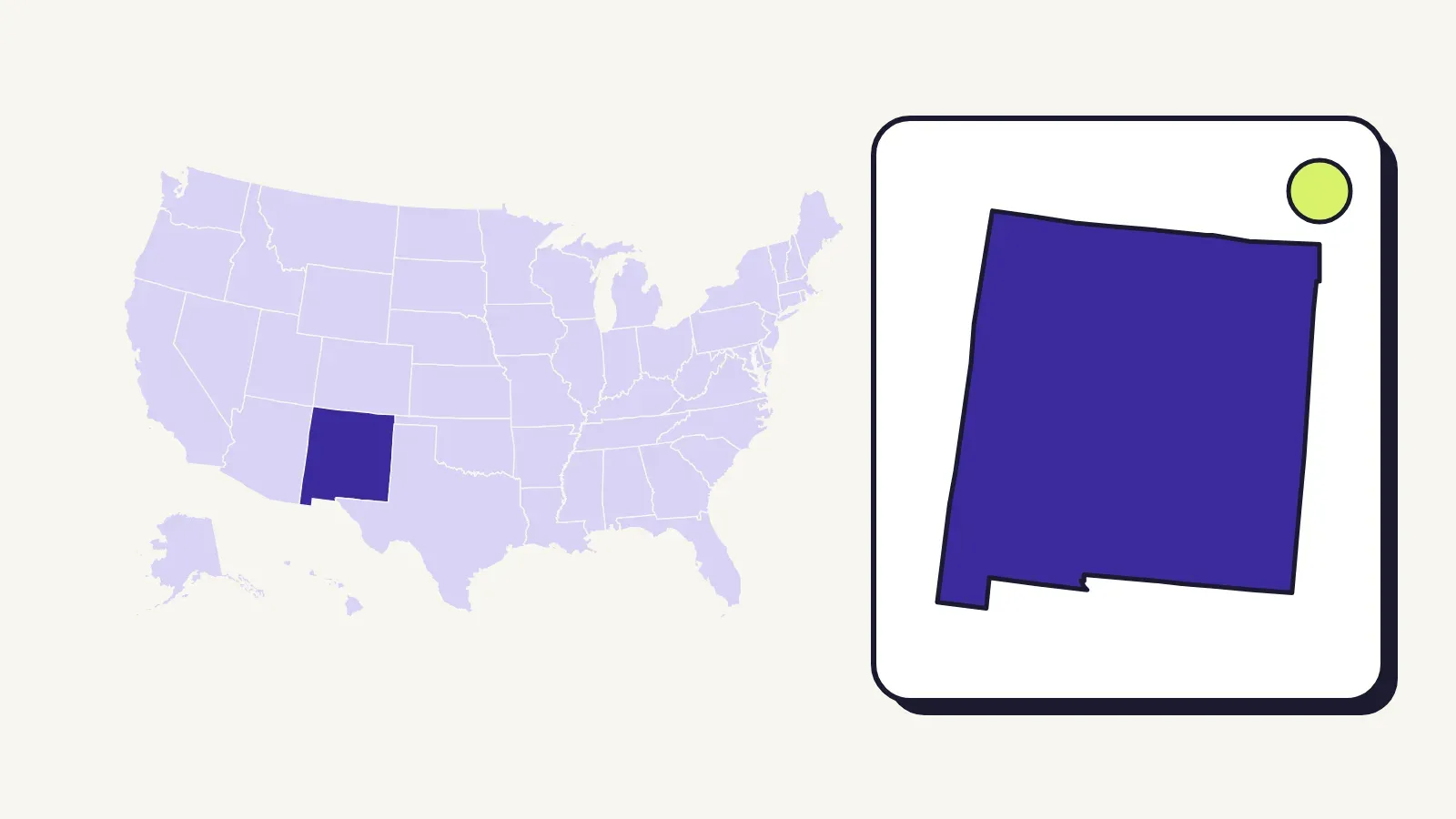
The short version
Since January 1, 2023, licensed lenders in New Mexico can't charge more than 36% APR on loans of $10,000 or less, with most fees counted in the APR. Before that, storefront installment loans could cost up to 175%. Payday and title loans priced above 36% are no longer legal. Creditors generally have six years to sue on a written contract, and at least 75% of your take-home pay is shielded from garnishment.
New Mexico lending rules at a glance
The 2023 change that ended triple-digit loans
House Bill 132, passed in 2022, cut the maximum APR under the Small Loan Act and the Bank Installment Loan Act from 175% to 36%. It also raised the size of loans those laws cover from $5,000 to $10,000 and took effect on January 1, 2023.
The cap is calculated the way federal Regulation Z calculates APR, and it also pulls in other fees and the cost of add-on products sold with the loan. That makes it harder to hide cost in extras such as credit insurance.
| Maximum APR | 36%, including most fees and add-ons |
|---|---|
| Loans covered | $10,000 or less from licensed lenders |
| Extra fee on small loans | Up to 5% of principal on loans of $500 or less, once a year |
| Shortest loan allowed | 120 days, in at least four equal installments |
| If rates rise | Cap goes up one point for each point the prime rate tops 10% for three months |
On a $500 loan, the separate fee can be at most $25. The prime-rate escalator only kicks in if the prime rate stays above 10% for three months in a row.
What happened to payday and title loans
A licensed small loan in New Mexico must now be an installment loan of at least 120 days, repaid in at least four substantially equal payments, and priced at 36% or less. A two-week payday loan or a one-month car title loan with a triple-digit APR doesn't fit those rules, so neither can be made legally by a licensed lender.
A loan at the 36% ceiling still isn't cheap. Borrow $1,000 for 12 months at 36% APR and you pay about $100.46 a month, or roughly $206 in interest over the year. If your credit qualifies you for a lower rate, a bank or credit union personal loan can cost far less, so compare before you settle for a store offer.
Debt deadlines and garnishment
New Mexico has two main deadlines for debt lawsuits. A suit on a promissory note or other written contract must be filed within six years (NMSA 37-1-3). A suit on an account or an unwritten contract has four years (NMSA 37-1-4), and for an open account that clock runs from the last entry.
Credit card debt sits between the two. Collectors often sue on it as an account, which points to four years, but a lender relying on the signed card agreement may argue for six. Treat four years as the likely limit and get advice before you rely on it; our guide to old debt and statutes of limitations explains what can restart the clock.
If a creditor wins a judgment and garnishes your wages, New Mexico protects the greater of:
- 75% of your disposable earnings for the pay period, or
- 40 times the highest minimum hourly wage that applies where you work, whether federal, state or local, for each week.
A 2023 amendment switched that second test from the federal minimum wage to the highest applicable one and added that exempt wages keep their protection after you deposit them in a personal bank account, as long as they can reasonably be traced. Child support orders follow a different rule.
Getting help from the state
- Confirm the license. Small loan companies are licensed by the Financial Institutions Division of the Regulation and Licensing Department; you can also search NMLS Consumer Access.
- Read the APR on the contract. On a loan of $10,000 or less from a licensed lender it should not exceed 36%.
- File a complaint through the Regulation and Licensing Department if a lender overcharges you or collects improperly. You can also file with the CFPB.
For your federal rights with collectors, see debt collectors and your rights.
Common questions
Are payday loans legal in New Mexico?
Not at triple-digit rates. Since 2023, licensed lenders must keep loans of $10,000 or less at or below 36% APR, repaid in installments over at least 120 days.
Are title loans legal in New Mexico?
A short-term title loan at a high APR is not. Any licensed loan of $10,000 or less, secured or not, falls under the same 36% cap and installment rules.
How long can a debt collector sue me in New Mexico?
Six years on a written contract and four years on an account or unwritten contract. Credit card suits are often treated as accounts.
How much of my paycheck can be garnished in New Mexico?
For ordinary debts, at least 75% of your disposable earnings, or 40 times the highest applicable minimum wage each week if that is more, is protected.
Sources
- New Mexico Regulation and Licensing Department — Financial Institutions Division
- NMSA 58-15-17 — Small Loan Act charges and 36% cap (via Justia)
- New Mexico Legislature — Fiscal impact report, HB 132 (2022)
- NMSA 35-12-7 — Garnishment exemptions (via Justia)
- NMSA 37-1-3 — Six-year limit on written contracts (via Justia)
- NMSA 37-1-4 — Four-year limit on accounts and unwritten contracts (via Justia)
Facts on this page were checked against these sources on October 13, 2026. Courts decide case by case whether a credit card suit is on an account or a written contract.
Keep reading
-
Loan type
Payday loan alternatives
Credit union PALs up to $2,000 at 28% APR or less, paycheck advances, payment plans and local help.
-

Debt help
Old debt and time limits
Most states give collectors 3–6 years to sue. What can restart the clock, and why it's not the 7-year credit rule.
-
State law
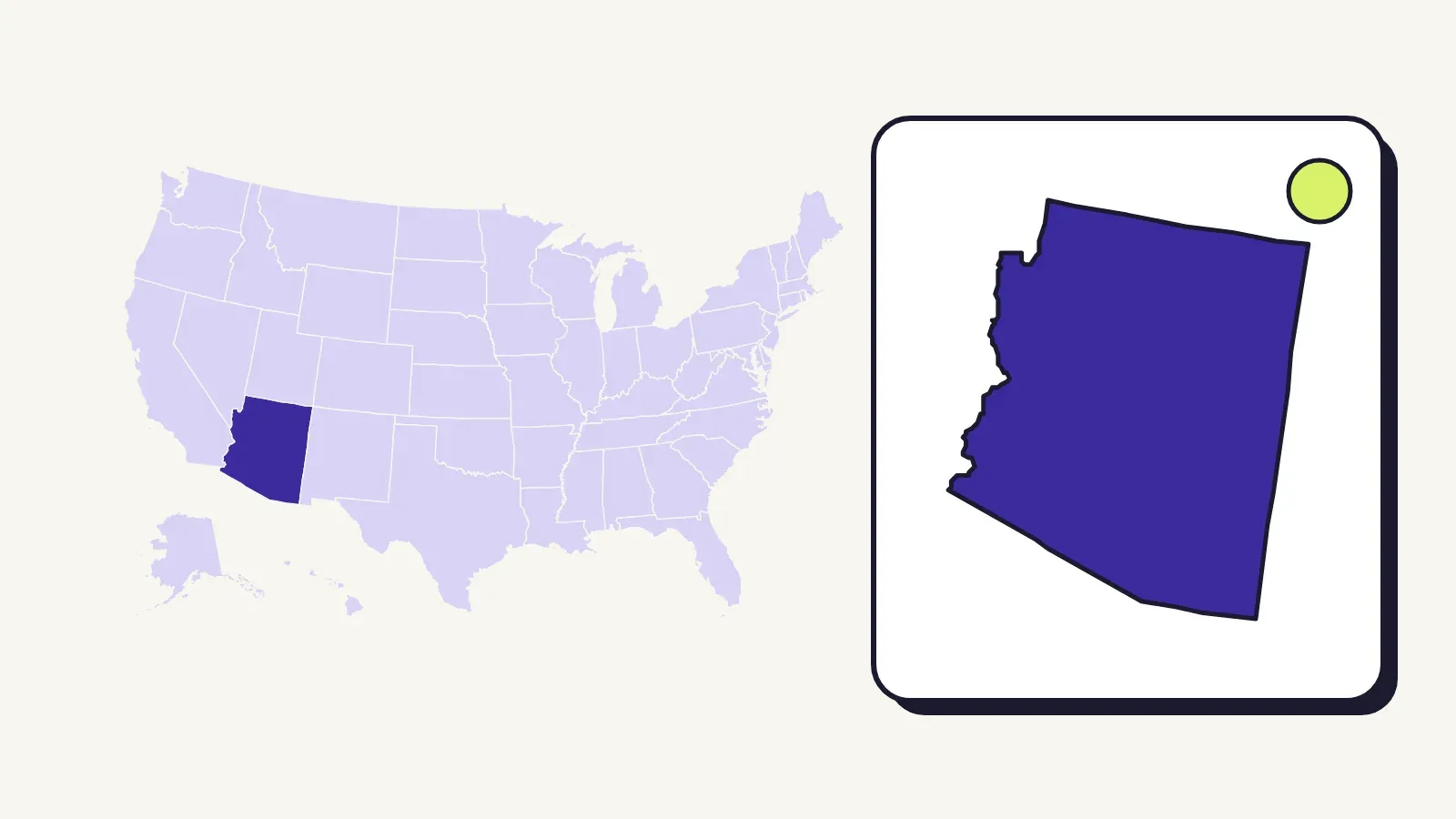
Arizona
Payday loans illegal since 2010; title loans up to 17% a month; 10% cap on wage garnishment.